
We say it a lot: we chase light, not poses. Light is the one thing on your wedding day nobody can reschedule, and on the Illawarra and South Coast it behaves in ways that surprise a lot of couples. Plan around it and your photos look effortless. Ignore it and even the most beautiful venue can photograph flat, squinty or half in shadow.
Here's how we'd think about the light when you're building your timeline.
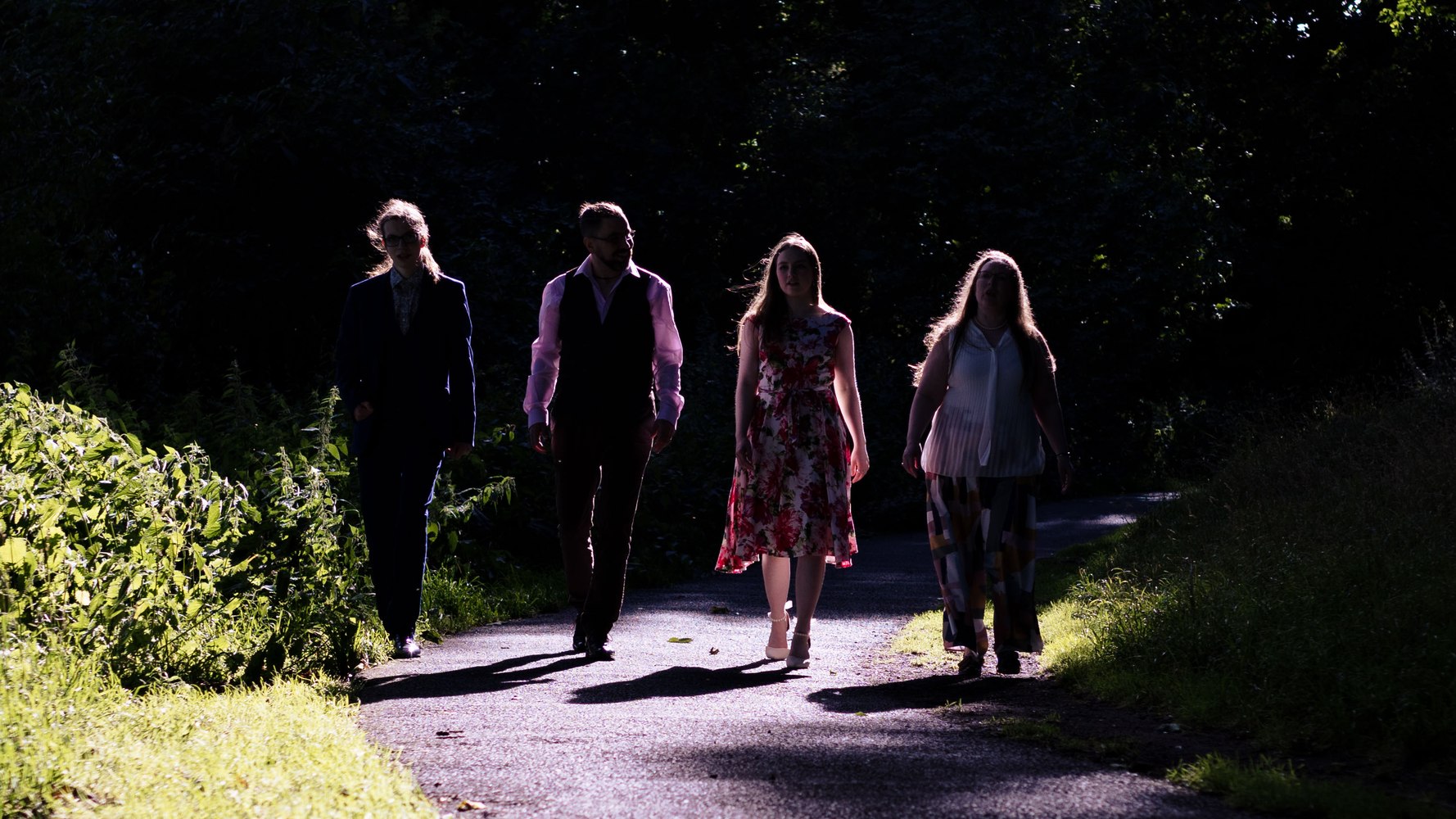
The coast faces east, so the sun doesn't set over the ocean
This is the big one. A lot of couples picture sunset portraits with the sun sinking into the sea, but on this stretch of coast the ocean is to the east. The sun sets behind you, over the land, and in the northern Illawarra it drops behind the escarpment.
That isn't a bad thing. In the last hour of the day the light falls softly across the sand and water, the sea turns pastel, and faces glow instead of squinting into the sun. But it does change the plan:
- Beaches tucked under the escarpment, from Stanwell Park down to Thirroul, can lose direct sun well before the official sunset time. If you want warm light on the sand, go a little earlier.
- Open headlands and beaches further south hold their light longer.
- If you really want the sun in the frame over water, sunrise is your moment, and a few couples do exactly that for a first look or an elopement.
When is golden hour on the South Coast?
Golden hour is roughly the last hour before sunset, when the light is low, warm and flattering. Sunset times shift dramatically through the year, so your season decides a lot about your timeline. Approximate sunset times in Wollongong:
| Month | Approx. sunset | What it means for your day |
|---|---|---|
| January | 8.10pm (daylight saving) | Long, late light. Portraits can happen after dinner is served. |
| March | 7.15pm (daylight saving) | Golden hour lands during or just after canapés. |
| April (after daylight saving ends) | 5.35pm | Light drops quickly. Plan portraits before the reception starts. |
| June | 4.50pm | Early, soft winter light. An earlier ceremony makes the most of it. |
| September | 5.45pm | Spring light with an early sunset, so keep the afternoon tight. |
| October (after daylight saving starts) | 7.10pm | Warm evenings and a later golden hour return. |
| December | 8.05pm | The longest light of the year. |
These are approximate, so check the exact sunset for your date and venue when you lock in your timeline. We always do.
Midday ceremonies: not the end of the world
Plenty of beach and garden ceremonies happen in the middle of the day, and that's fine. Hard overhead sun creates squinting and dark eye shadows, so a few small choices make a big difference:
- Face the ceremony so the sun is behind or beside you both, not in your eyes or your guests'.
- Look for open shade: a fig tree, a pavilion, the edge of a rainforest walk.
- Remember that overcast days are a gift. Cloud softens everything and makes skin tones look beautiful.
How long do portraits really take?
Less than most people think, if the timing is right. For a documentary approach we usually suggest:
- Around 10 to 15 minutes for family photos, kept to a short list. We'd rather spend your reception on the moments than on lineups.
- 20 to 30 minutes for the two of you around golden hour, often split into two short trips: one before the reception and a quick five or ten minutes as the light peaks.
- A buffer for travel between ceremony and reception locations, especially if you're crossing between the coast and the hinterland.
A sample timeline for a spring afternoon wedding
Here's a relaxed example for a September wedding with a sunset around 5.45pm:
- 1.00pm: getting ready coverage begins.
- 3.00pm: ceremony, in open shade if possible.
- 3.30pm: congratulations, a short family list, then drinks and canapés with guests.
- 4.45pm: portraits for the two of you in golden hour.
- 5.45pm: sunset, then into the reception.
- Later: speeches, first dance, and whatever happens on the dance floor.
In summer, push everything later and you'll get golden hour after dinner. In winter, move the ceremony earlier so you're not losing the light during family photos.
Leave room for the moments nobody plans
The best frames on a wedding day are rarely on the schedule: the pacing before the ceremony, the glance between speeches, the ten seconds after the first kiss. A timeline with a little breathing room gives those moments space to happen, and gives us time to be in the right place, quietly, when they do.
Choosing a venue with the light in mind
If you're still deciding where to celebrate, think about which way your ceremony spot faces, how much shade there is, and whether the reception has windows that catch the late light. You can browse the best wedding venues on the South Coast for ideas, and our own guide to 12 Illawarra and South Coast wedding venues we love is a good place to start too.